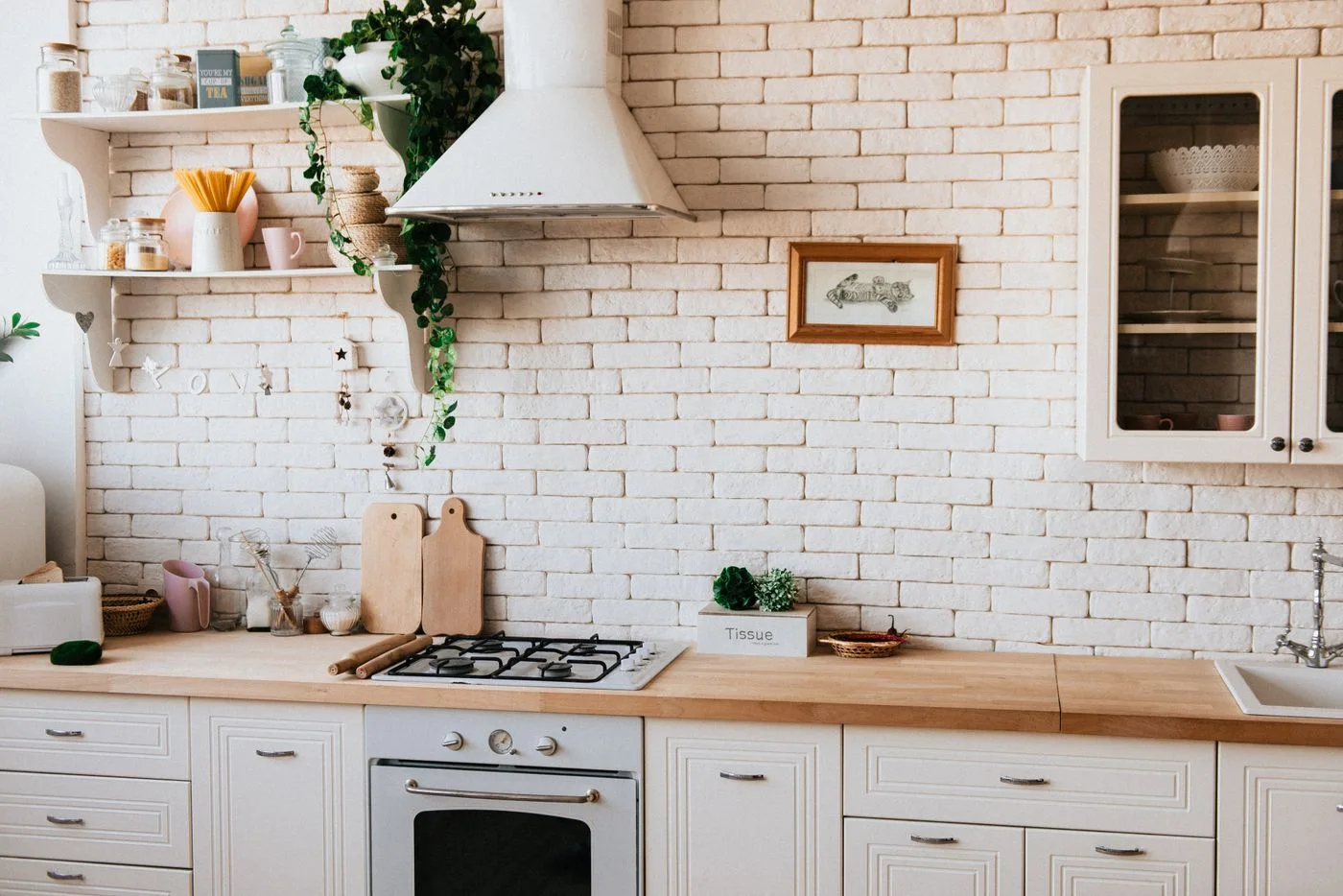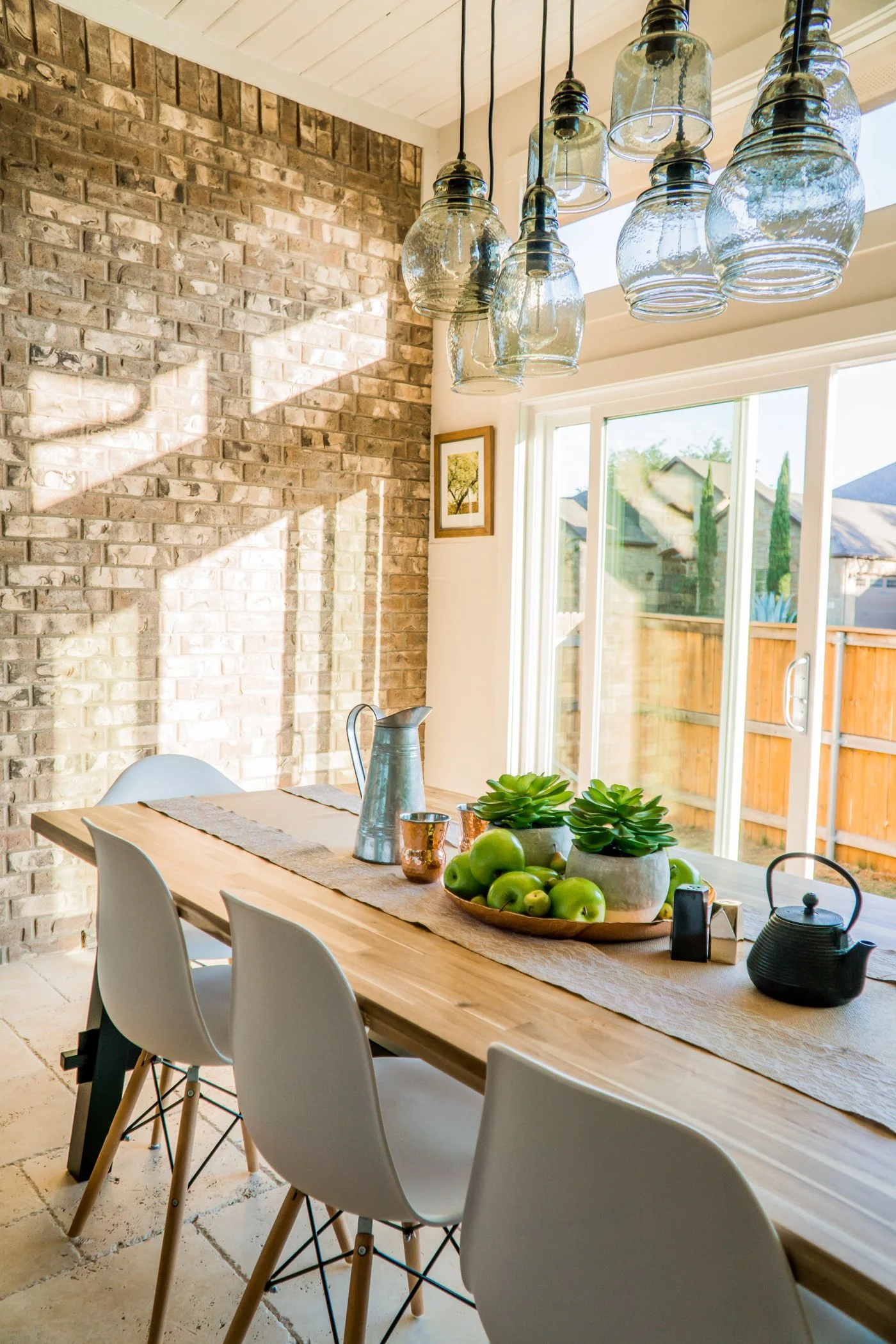
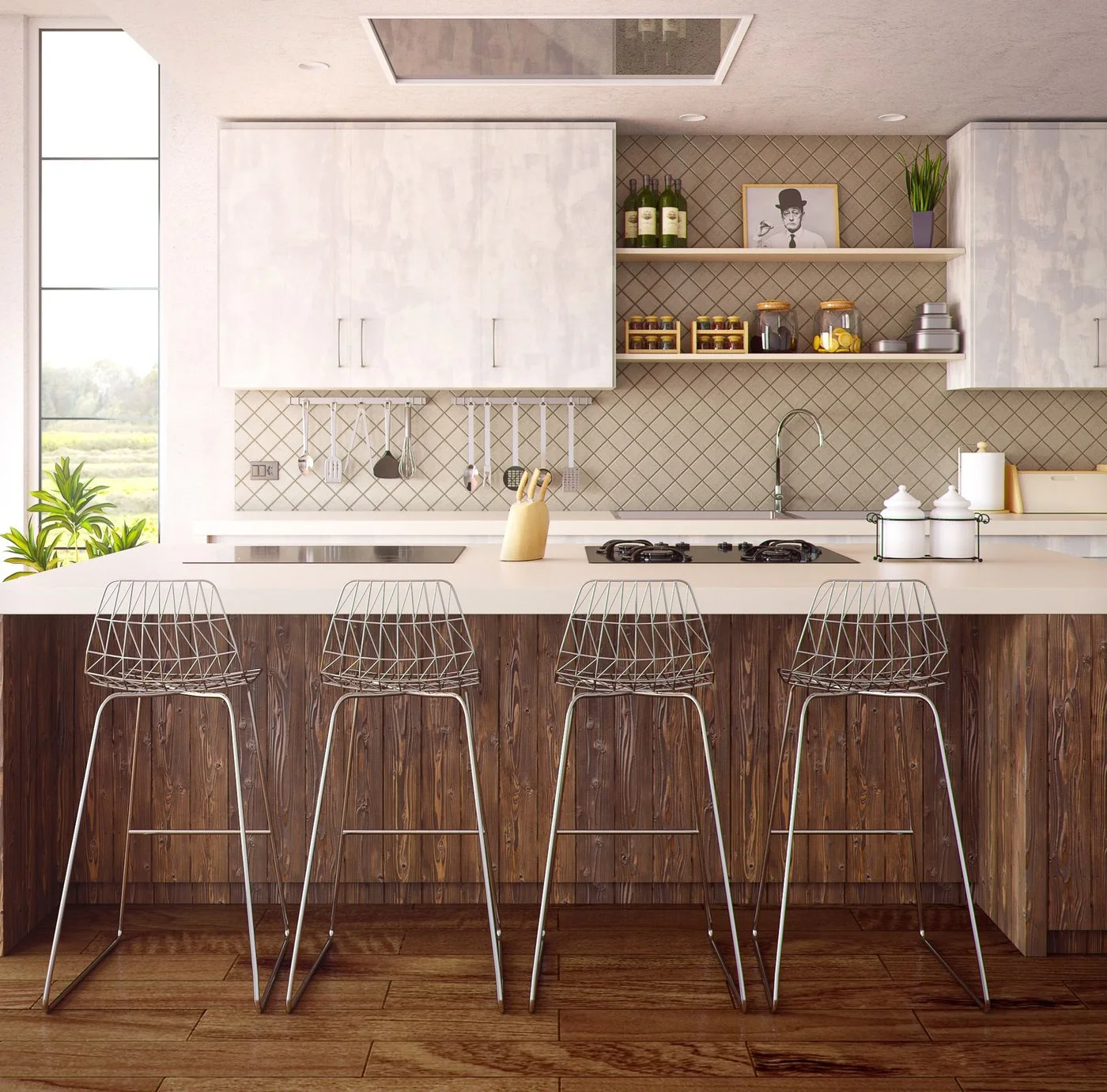
Open kitchen shelves look inviting when a few bowls, a jug and a stack of plates have room to breathe. In everyday life, those shelves must deal with steam, crumbs, mismatched mugs and the cereal bowl someone always reaches for first. The question is whether open storage suits the objects and cleaning routine in your kitchen. A short run above a coffee area can work very differently from a wall of shelves beside a busy hob. Begin with one small section and identify its job. You can create a useful display without replacing every cupboard or buying a new collection of crockery.
In this guide
Decide what belongs within reachMeasure the tallest ordinary objectMatch the fixing to the wall and loadCreate a rhythm with what you ownPlan for grease, moisture and wipingCompare shelves against the cupboard you needMaintain rather than perfect the displayCompare your optionsBefore you buyCommon questionsDecide what belongs within reach
Choose objects that earn their place through frequent use or visual value. Everyday plates can be practical because they move through the dishwasher regularly, while an ornamental bowl may sit untouched and collect dust. Group items by task: mugs near the tea-making area, serving bowls near the dining table. Keep frequently handled items at a comfortable height rather than arranging everything for a symmetrical photograph. If children use the kitchen independently, plan accessible storage separately. Avoid placing heavy or breakable objects where reaching requires stretching over an appliance or using an unstable improvised step.
Measure the tallest ordinary object
Begin with your objects rather than equal spacing drawn across a wall. Measure the jug, canister or stack of bowls you intend to keep, leaving enough room to lift it out naturally. Check shelf depth against plate diameter and mug handles. Deep shelving offers more capacity but can feel imposing and encourage a hidden second row. Shallower shelves are visually lighter but may not support the crockery you own. Make a paper side profile on the wall and stand at the worktop to see whether the edge intrudes into your usual head and arm movement.
Match the fixing to the wall and load
A shelf's published capacity does not make every installation suitable. Wall construction, brackets, fixings, span and weight distribution all matter. Follow the manufacturer's instructions and obtain appropriate advice if wall type or service routes are uncertain. Do not guess where cables or pipes run before drilling. Heavy stacks of plates require particular care, and a decorative floating shelf may be unsuitable. Renters should obtain permission for permanent changes. Freestanding storage or a shelf inside an existing cabinet may provide a similar organisational benefit when wall mounting is impractical. Keep installation details for future reference when the contents change.
Create a rhythm with what you own
Start with a stack of plates, a group of mugs and one taller object, then leave an area empty. Repeating a material or colour can make different objects feel connected without requiring a matching set. A board stored safely upright might echo timber elsewhere; a ceramic jug can repeat a colour in a tea towel. Keep decorative pieces out of the way of daily access. If taking a mug means moving a vase each time, simplify the arrangement. Use a photograph to evaluate balance, then check that every everyday object remains straightforward to retrieve.
Plan for grease, moisture and wiping
Shelves close to cooking need a cleaning routine appropriate to their location and material. Follow the finish's care guidance and consider whether the underside and brackets are comfortably reachable. Containers with lids may protect some contents, but they do not remove the need to wipe the shelf itself. An area near boiling water may be less suitable for paper cookbooks or moisture-sensitive objects. If shelf cleaning already feels unrealistic, reserve open storage for a calmer part of the room and keep cooking essentials behind doors. The most attractive arrangement is one you can reasonably maintain between ordinary meals.
Compare shelves against the cupboard you need
An open shelf can be inexpensive in isolation but costly once installation, refinishing and replacement storage are included. Before removing a cupboard, list everything it holds and identify another home for those objects. A short display shelf paired with closed storage often offers a useful balance. If buying crockery, replace only pieces that no longer serve your needs rather than treating a shelf as a reason to discard useful items. Consider one well-sized shelf first, live with its cleaning and access requirements, then decide whether extending the arrangement would improve the kitchen or simply provide more display space.
Maintain rather than perfect the display
Include a brief shelf check in the kitchen reset: return misplaced crockery, remove unused items and clean according to the finish guidance. There is no obligation to preserve the first display exactly. A shelf can evolve as your household changes. Keep a record of load and fixing instructions so later additions do not quietly exceed the intended use. Give any new decorative object a specific space and ensure it does not obstruct access. Leaving a gap is often more practical than filling the last section with another accessory. Notice whether the shelf saves time or merely creates another surface to manage.
Compare your options
| Option | Best for | The trade-off |
|---|---|---|
| Single open shelf | A small display or tea area | Limited capacity and visible dust |
| Cupboard with doors | Varied packaging and occasional equipment | Contents less immediately visible |
| Mixed storage | Daily crockery plus concealed overflow | Needs a clear division of jobs |
Before you buy
- Measure crockery before choosing depth and spacing.
- Check installation guidance and wall construction.
- Keep heavy objects in a comfortable position.
- Retrieve items without rearranging decoration.
Common questions
Must shelves match the cabinets?
No. Repeat one finish or colour elsewhere to make the choice feel intentional. The shelf needs a finish suited to its location.
Should food packets go on display?
They can if that suits your routine. For a calmer appearance, keep varied packaging in closed storage and reserve shelves for frequently used objects.
Useful sources & shopping starting points
Use the retailer's current measurements, care information and delivery terms to check any shortlisted item. Availability and prices can change.