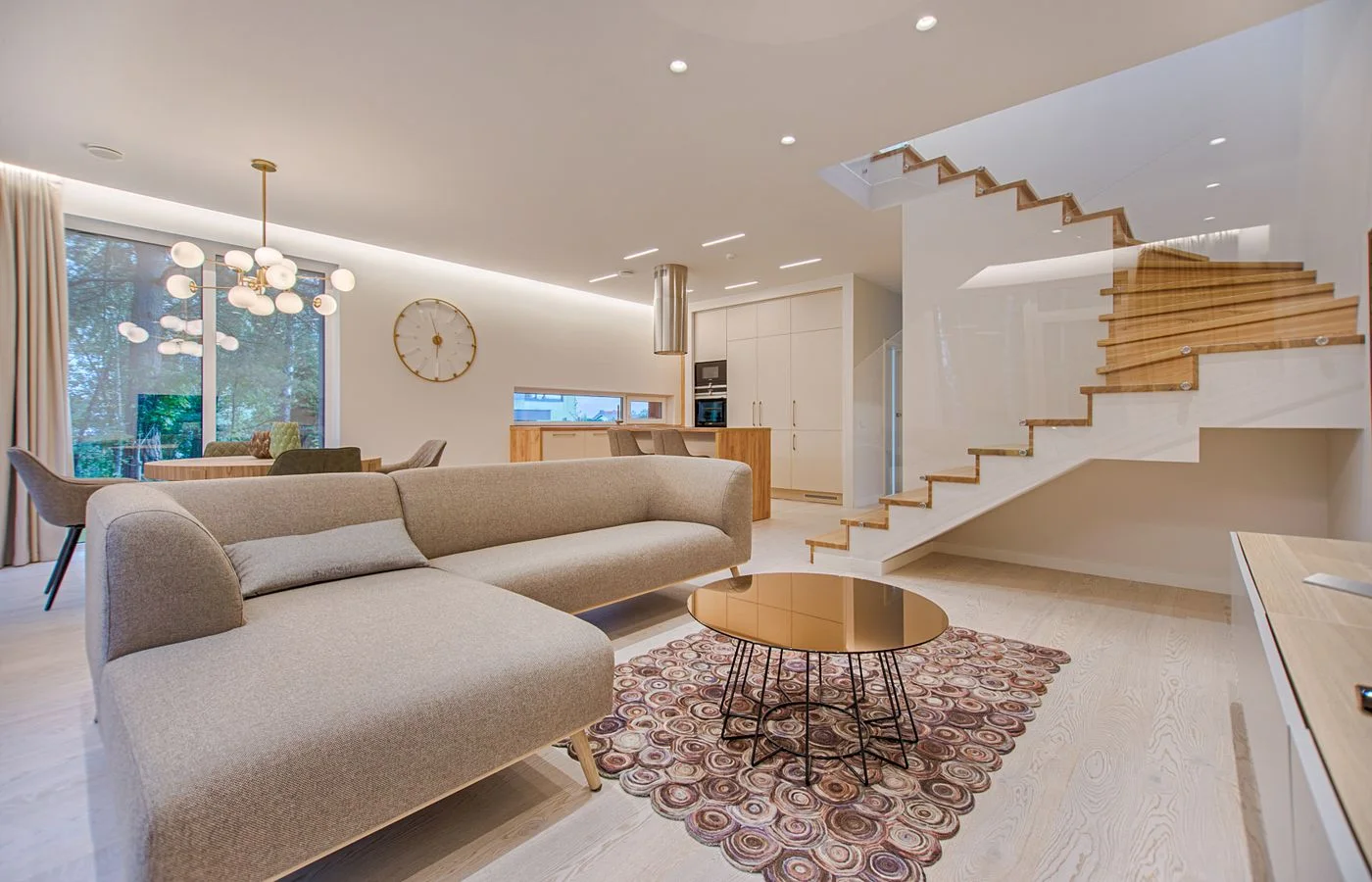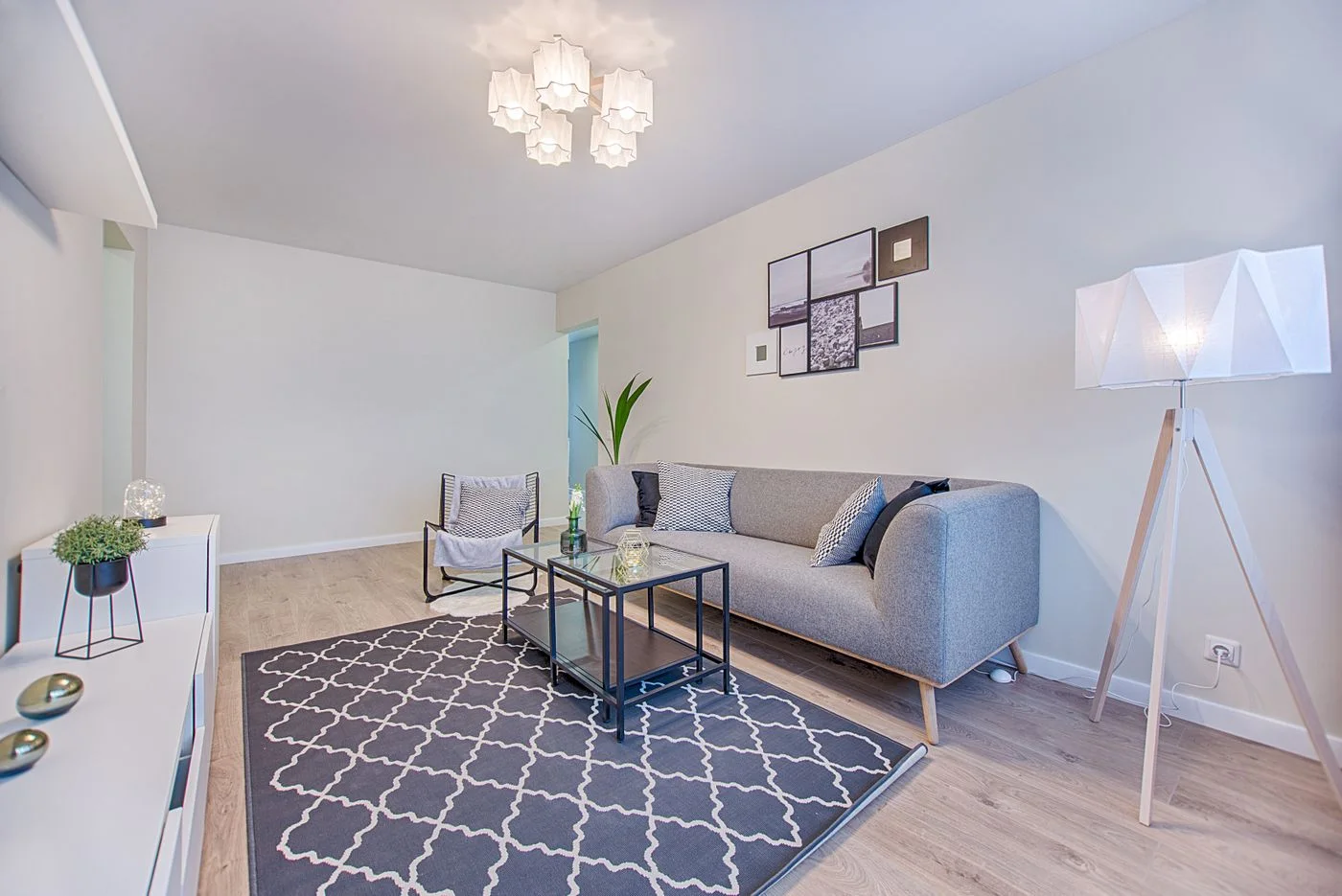
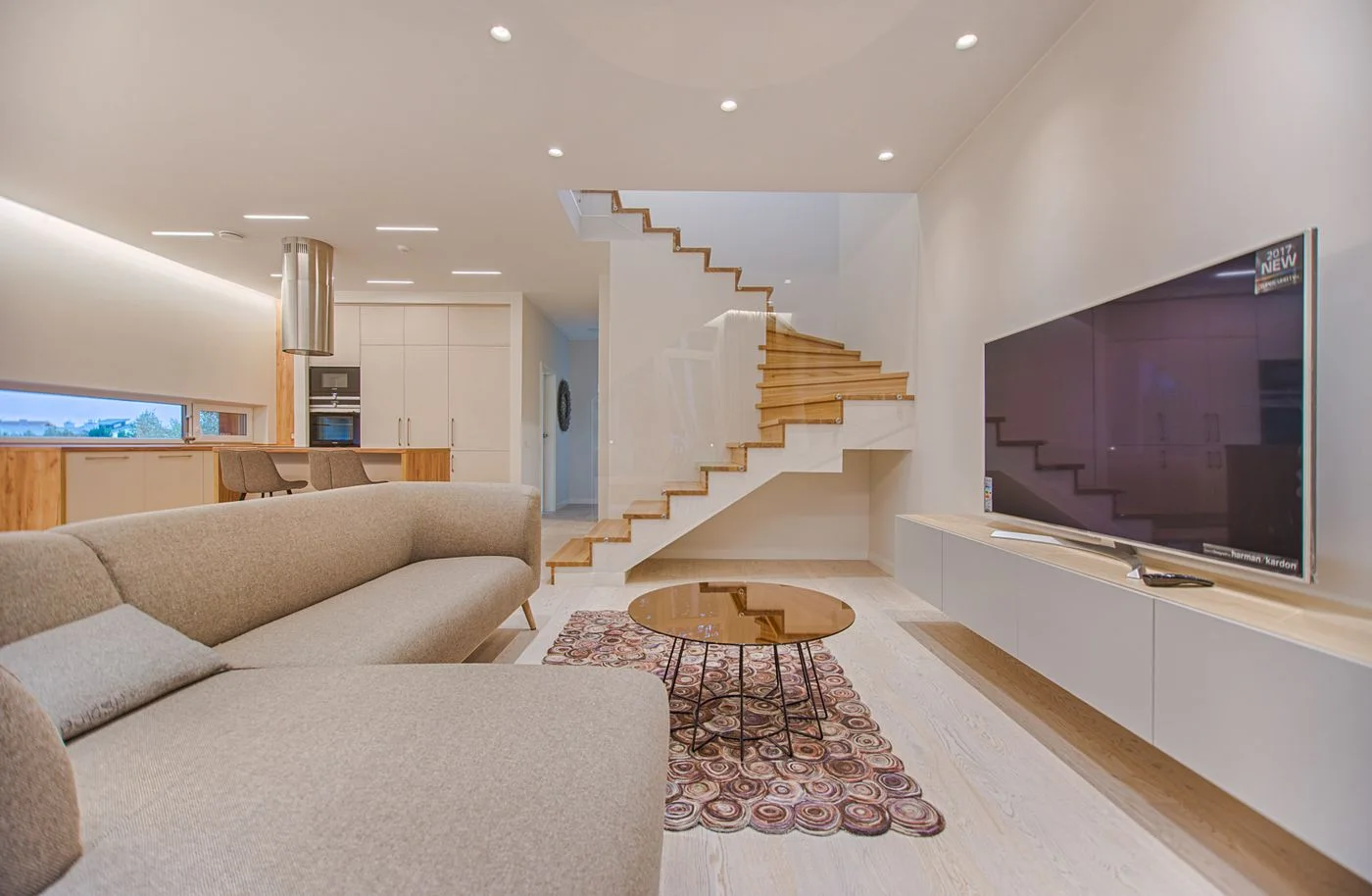
A rug is often the purchase that makes a sitting room feel connected, but it can also introduce a trip edge, awkward cleaning or a pattern that dominates everything around it. Imagine a sofa on one wall, a chair near the window and a coffee table that never seems centred. The rug should help those pieces read as one group while leaving sensible routes through the room. Choosing by a small online image makes that difficult. Work from the seating arrangement and the way the floor is used, then narrow down the texture, colour and cleaning requirements. Comfort and easy maintenance should remain part of that shortlist.
In this guide
Let the seating arrangement set the footprintThink about the busiest hour of the dayCompare materials without relying on labels aloneUse colour to connect existing piecesInclude the practical extras in the budgetCompare your optionsBefore you buyCommon questionsLet the seating arrangement set the footprint
Use removable tape or sheets of paper to mark several possible rug outlines. Stand at the room entrance and look at how each outline relates to the sofa and chair. A tiny rectangle under only the coffee table can make the seating feel disconnected, although a deliberately small accent rug may suit a separate reading corner. There is no useful universal size without a room plan. What matters is the relationship between the rug, furniture and available floor.
Consider how chairs move. A chair used for conversation may swivel or pull forward, while an occasional chair might stay against the wall. Make sure the placement does not leave a frequently moved leg balancing on the rug edge. If the sofa's front legs sit on the rug, check that the arrangement looks intentional from both sides. Avoid forcing every piece fully onto the rug when that would push the edge into a doorway.
Think about the busiest hour of the day
A living room used for breakfast, school bags and play needs a different rug from a quiet reading room. Trace the route from the entrance to the kitchen and garden. A delicate pale rug across the main path may create a cleaning routine you do not want. Pattern can make ordinary visual wear less obvious, but it cannot replace appropriate care or make a material resistant to every spill.
Think about what happens below the coffee table. If people eat there, a dense textured surface may catch crumbs differently from a flatter weave. If children build toys on the floor, a very deep pile can make small pieces harder to find. If someone uses a mobility aid, prioritise stable placement and a surface that suits their needs. The best rug is one the household can use comfortably, not one that must constantly be protected from normal life.
Compare materials without relying on labels alone
A fibre name does not tell the whole story. Construction, pile height, backing and the manufacturer's cleaning instructions all affect suitability. Natural fibres may appeal for their texture, while synthetic options can offer different maintenance choices. Ask for a sample when possible. Touch it, examine the edge and check whether it sheds loose fibres during ordinary handling. Avoid treating terms such as durable or family-friendly as substitutes for specific care information.
A washable description needs careful reading. Confirm the capacity required, whether the entire rug or only a top layer is washable, and how it must dry. A large rug that your machine cannot accommodate may still require a separate cleaning arrangement. Check whether the backing is appropriate for your flooring and whether an underlay is recommended. Follow both flooring and rug guidance, especially where there is underfloor heating or a finish that may react to some backings.
Use colour to connect existing pieces
Choose a starting point already in the room: the warmth of the timber, a curtain colour or the upholstery. A rug can repeat one of those notes without matching everything precisely. Order samples or inspect the rug in person if its colour is central to your scheme. Screens and room photographs can alter the apparent undertone, and a large surface may feel much stronger than a tiny swatch.
For a restrained room, compare subtle pattern with a solid textured rug. A small repeated motif can be forgiving visually, while a large graphic pattern demands more attention. Before buying, remove excess accessories and consider whether the room needs another strong feature. Sometimes the rug's main job is to soften the meeting of furniture and floor. Save the bold colour for a cushion or artwork if you are uncertain about living with it across a large area.
Include the practical extras in the budget
Compare the rug price alongside suitable underlay, delivery and likely cleaning costs. Read the return conditions carefully, particularly for large rolled items. Keep packaging until you have checked the size, colour and any visible defects within the retailer's stated process. Lay the rug as instructed and allow any permitted settling time before deciding whether corners lie correctly. If an edge remains unstable, address it rather than disguising it beneath an object.
A useful final test is to imagine removing the coffee table. Would the rug still make sense as part of the seating group? If it seems isolated, reconsider its placement or scale. Buy for the room you have now unless a specific furniture change is already planned. An oversized rug waiting for a future sofa can be as frustrating as an undersized one bought because it happened to be discounted.
Compare your options
| Option | Best for | The trade-off |
|---|---|---|
| Flat or low-pile rug | Busy routes and furniture that moves often | May offer less plushness underfoot |
| Deep textured rug | A quieter lounging corner | Cleaning small debris may take more effort |
| Patterned rug | Adding a focal point to plain upholstery | Competes with other strong patterns |
Before you buy
- Tape the footprint before choosing a standard size.
- Test chair movement across the proposed edge.
- Read cleaning and backing instructions.
- Check underlay compatibility with the floor.
- Compare a sample beside upholstery and curtains.
Common questions
Can two rugs work in one living room?
Yes, if they define genuinely separate activities such as seating and reading. Keep the relationship deliberate through colour or texture and avoid creating several loose edges across one busy route.
Is a washable rug always easiest?
Only if its washing and drying requirements fit your household. Check machine capacity, handling weight and the manufacturer's method before treating washability as the deciding feature.
Useful sources & shopping starting points
Use the retailer's current measurements, care information and delivery terms to check any shortlisted item. Availability and prices can change.