The dining table has been cleared, but a ring from a water glass and a smear of tomato sauce remain. Textiles can soften a room and make meals feel considered, yet the wrong choice simply adds laundry. A household eating quick weekday suppers needs something different from someone hosting a long Sunday lunch each month. Begin with the table's care instructions and the mess you normally make. Then choose between placemats, a runner, a tablecloth or a combination. A small collection of useful pieces is easier to store and maintain than a drawer full of fabrics reserved for an imaginary perfect occasion.
In this guide
Separate appearance from protectionChoose placemats for flexible useUse a runner where it earns spaceConsider laundering before buying a clothCreate a compact rotationCoordinate without replacing everythingRead each care label separatelyCompare your optionsBefore you buyCommon questionsSeparate appearance from protection
A textile can change a table's appearance without offering meaningful heat or moisture protection. Read both the table and accessory instructions before relying on a mat for a hot dish. Some decorative runners are intended mainly for appearance. A suitable trivet may still be necessary. Check whether backing materials are compatible with your surface, especially when the furniture maker gives specific warnings. Avoid assuming soft fabric automatically protects a finish. Decide what each piece needs to do: define a place setting, catch crumbs, soften colour or accompany a separate protective accessory. Those are different jobs and may need different products.
Choose placemats for flexible use
Individual mats let you set only the places you need and leave most of the tabletop visible. Measure a complete setting with your usual plate, glass and cutlery rather than buying from photographs alone. Thick mats can feel substantial but may make glasses wobble if the surface is uneven. Woven textures add warmth, although crumbs can lodge between fibres. Check cleaning guidance and whether the mat lies flat after washing or wiping. A simple set storing flat may serve busy meals better than an elaborate shape. Buy spares only if your household needs them or replacing individual pieces is difficult.
Use a runner where it earns space
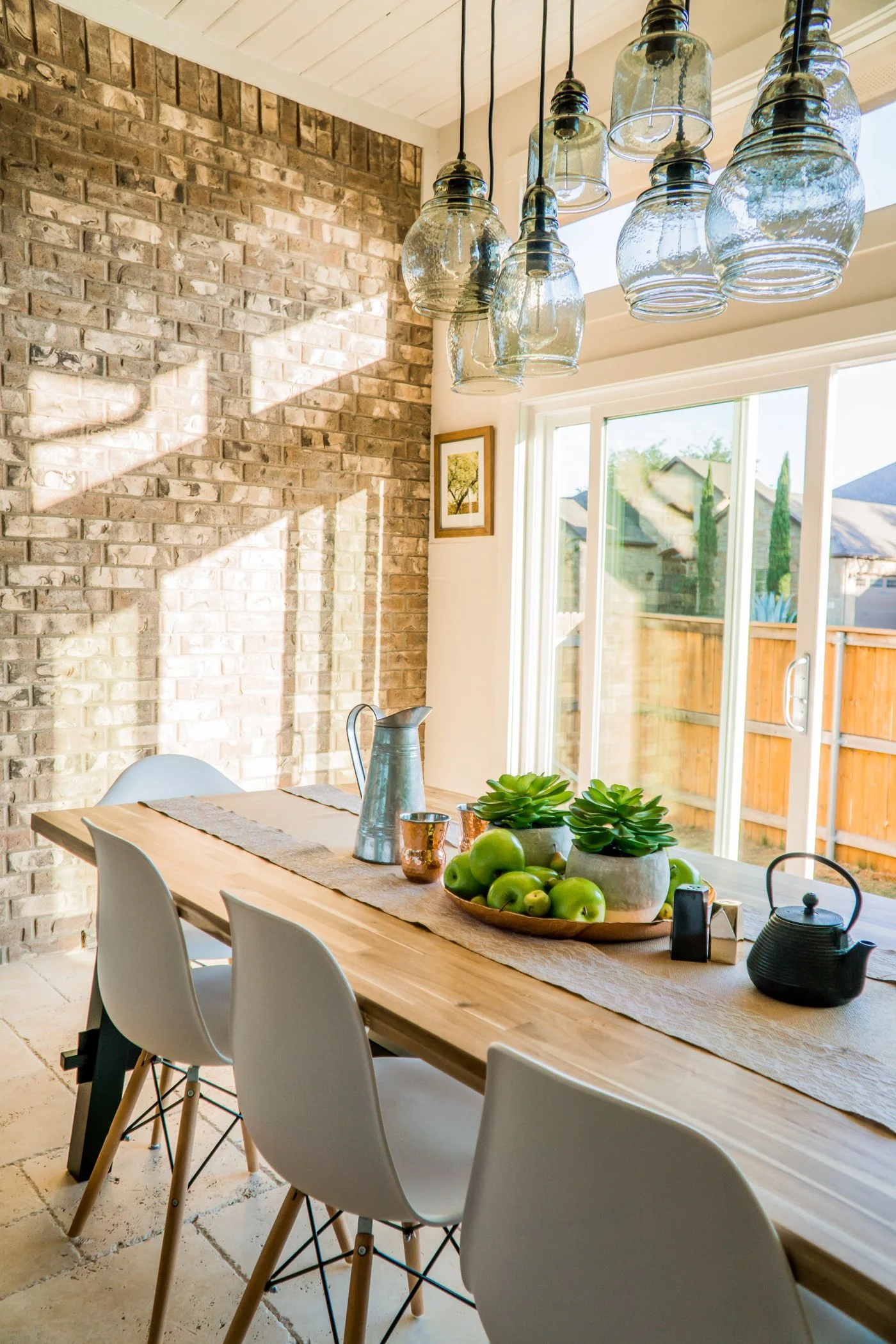
A runner can provide a visual centre for a long table while leaving place settings on the bare surface or separate mats. Width matters: too broad and it competes with plates, too narrow and a vase or serving bowl may look precarious. Test the arrangement with dishes before selecting length. On a small round table, a runner may divide a surface already short on space. Consider a compact central mat instead. Avoid long hanging ends where people, pets or children may catch them. A runner should improve the meal arrangement without requiring constant repositioning or complicating the passing of serving dishes.
Consider laundering before buying a cloth
Measure the tabletop and decide the drop on each side, then check finished dimensions and the care label. An everyday cloth should suit your washing facilities and drying space. Some fabrics need more ironing than you want after a quick dinner. A textured or softly creased appearance can feel relaxed if you enjoy it, but there is no need to choose it because a photograph suggests effortless living. Dark colours can show pale crumbs; light colours can show sauce. Compare those tradeoffs with the meals you actually eat. Think about where a damp cloth will dry during wet weather too.
Create a compact rotation
Two dependable everyday options may be more useful than many specialised sets: one on the table and one available while the first is washed. Add an occasional cloth only if you host meals calling for it. Keep napkins together and make the storage dry and accessible. If textiles need moving from a high cupboard each evening, you may stop using them. A shallow drawer or basket near the table simplifies the routine. Avoid storing frequently used cloths beneath heavy dishes. Setting the table should feel like a small action rather than a project involving rearranging several shelves or moving other furniture.
Coordinate without replacing everything
Photograph your crockery and table finish, then identify a colour already in the room. A muted stripe can connect mismatched plates; a plain textile can calm patterned china. Consider evening lighting, when most meals may happen. Samples are useful where available, but a return policy matters when buying unseen. Start with the most frequently used piece and add others after living with it. Mats, napkins and curtains need not match. Repetition of one tone or texture can connect the table with the room. Keep an existing piece you like as the starting point rather than buying a complete new scheme.
Read each care label separately
Check whether each piece can be washed or only wiped, whether colours need separate treatment and how it should dry. A coordinated collection can contain different materials with different care requirements. Keep instructions with household records rather than relying on memory. Inspect dimensions and care information online before selecting colour. Start with a small quantity if uncertain about a fabric; learn whether it suits the routine before filling the cupboard. Replace worn items for a clear reason rather than changing everything together. If a textile requires care you cannot conveniently provide, choose another material even when the first option looks particularly appealing.
Compare your options
| Option | Best for | The trade-off |
|---|---|---|
| Placemats | Flexible weekday place settings | More individual pieces to clean |
| Runner | A visual centre on a long table | May compete with serving dishes |
| Tablecloth | A complete change of mood | Requires washing and drying space |
Before you buy
- Read the table finish care instructions.
- Measure a complete everyday place setting.
- Check washing and drying requirements.
- Keep daily textiles accessible near the table.
Common questions
Does linen always need ironing?
It depends on your preferred appearance and the specific care label. Choose a fabric whose normal finish suits your routine.
Can a cloth replace a trivet?
Do not assume so. Follow table and textile guidance, and use a suitable heat-protection accessory where required.
Useful sources & shopping starting points
Use the retailer's current measurements, care information and delivery terms to check any shortlisted item. Availability and prices can change.