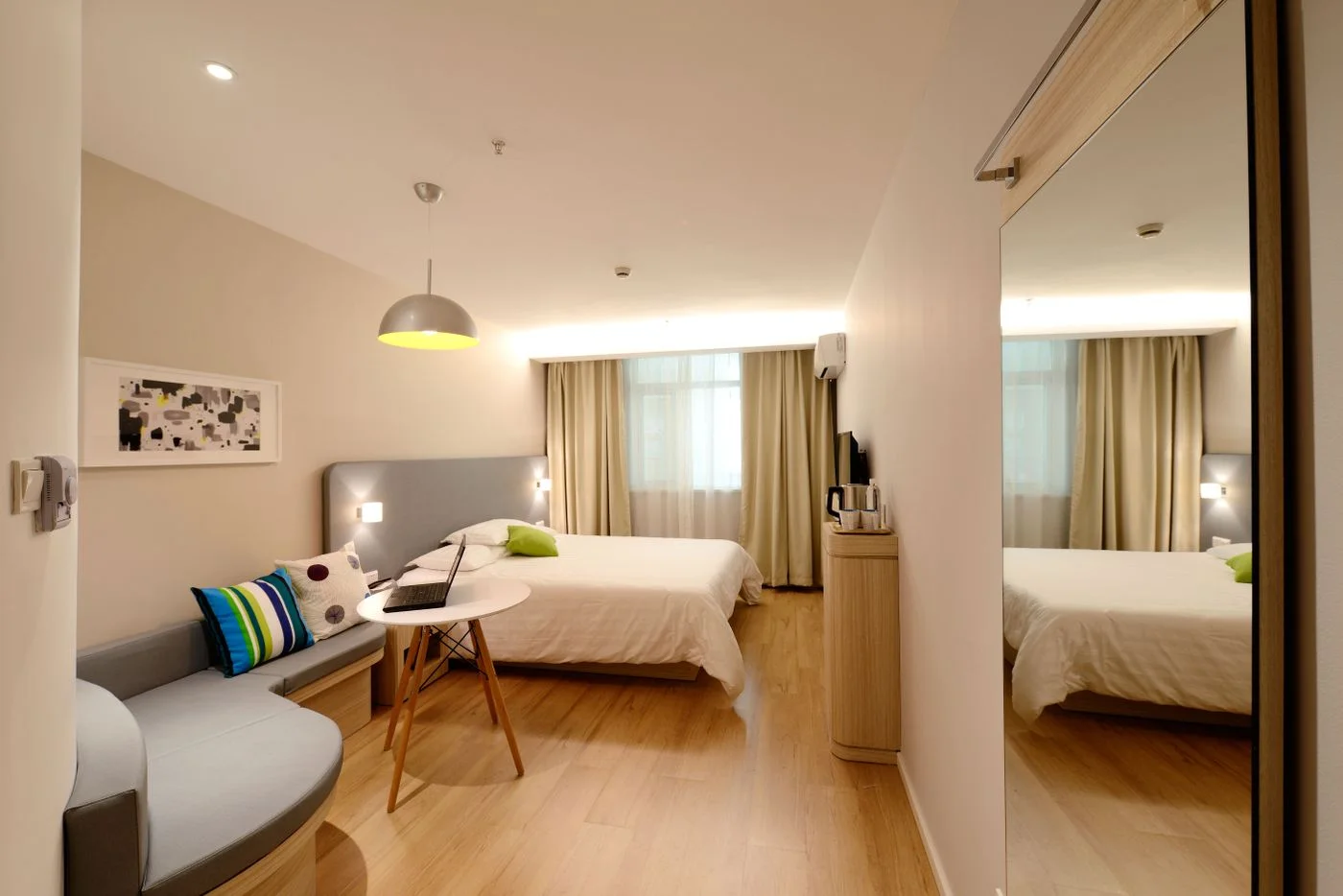
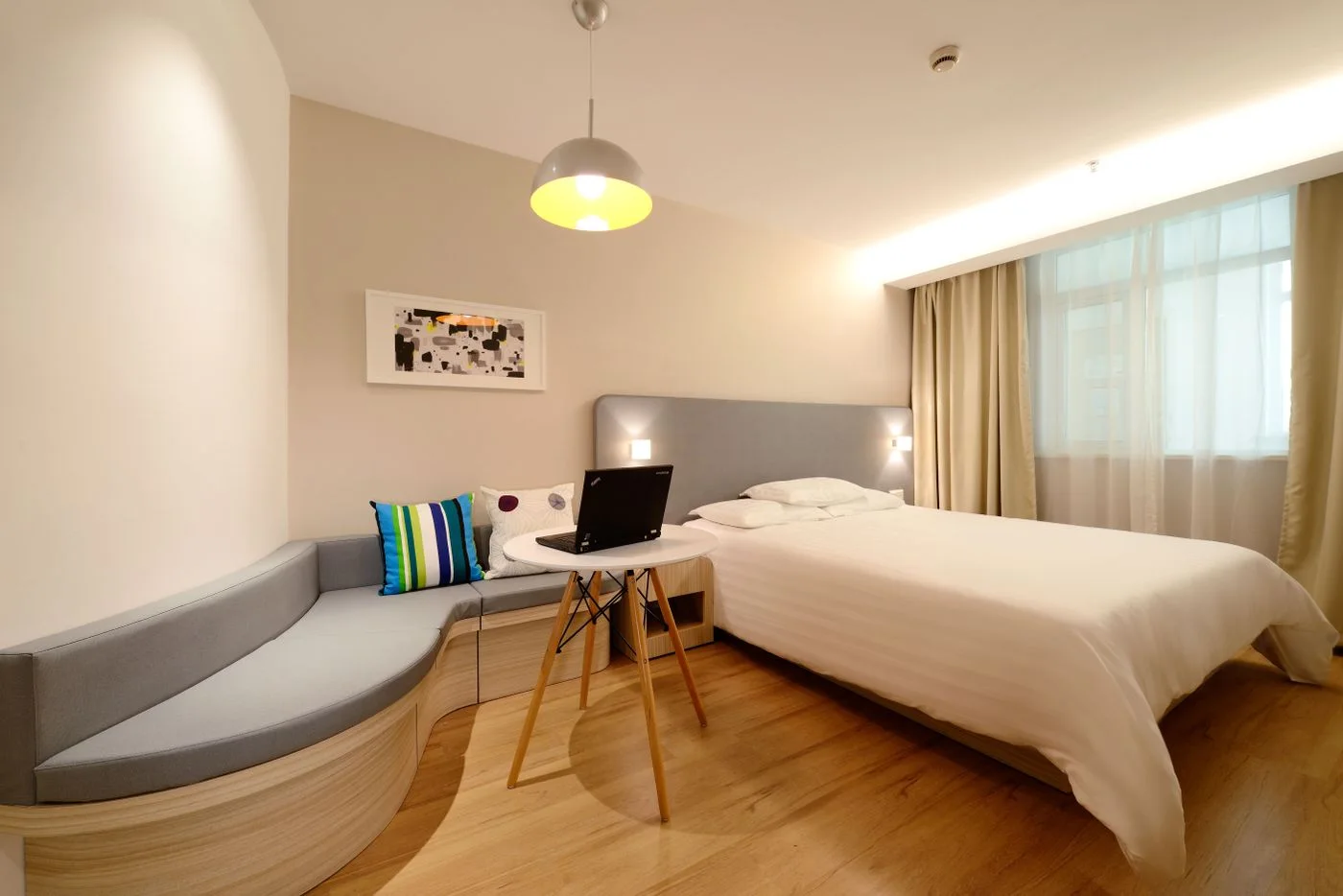
In a studio flat, breakfast, work, relaxing and sleep may happen within sight of one another. A divider can seem the obvious answer, but another large object may make the room feel crowded. Decide which activities need a clear boundary and which can share a surface. A bed may benefit from a quieter visual setting, while a small table can reasonably host breakfast and occasional paperwork. This guide uses furniture orientation, textiles, lighting and storage to create gentle distinctions. The aim is a room that changes smoothly through the day, rather than several miniature rooms squeezed together with little space to move.
In this guide
Draw movement before boundariesOrient the largest pieces deliberatelyUse rugs as visual suggestionsCompare dividers with useful storageLet lighting support daily changesBuy fewer pieces with clear jobsKeep a simple layout recordCompare your optionsBefore you buyCommon questionsDraw movement before boundaries
Sketch routes from the entrance to the kitchen, bathroom, windows and bed. They must remain practical when furniture is in use. Mark door swings and access needed for heating or maintenance. A divider should not make an essential route awkward or obscure an exit. Walk the plan carrying a laundry basket or shopping bag to reveal tight points. Notice where activities overlap naturally, such as dining beside food preparation. You do not need a boundary everywhere. Preserve the clearest route and organise activities around it. Check the arrangement with more than one person moving through the flat if that reflects everyday use.
Orient the largest pieces deliberately
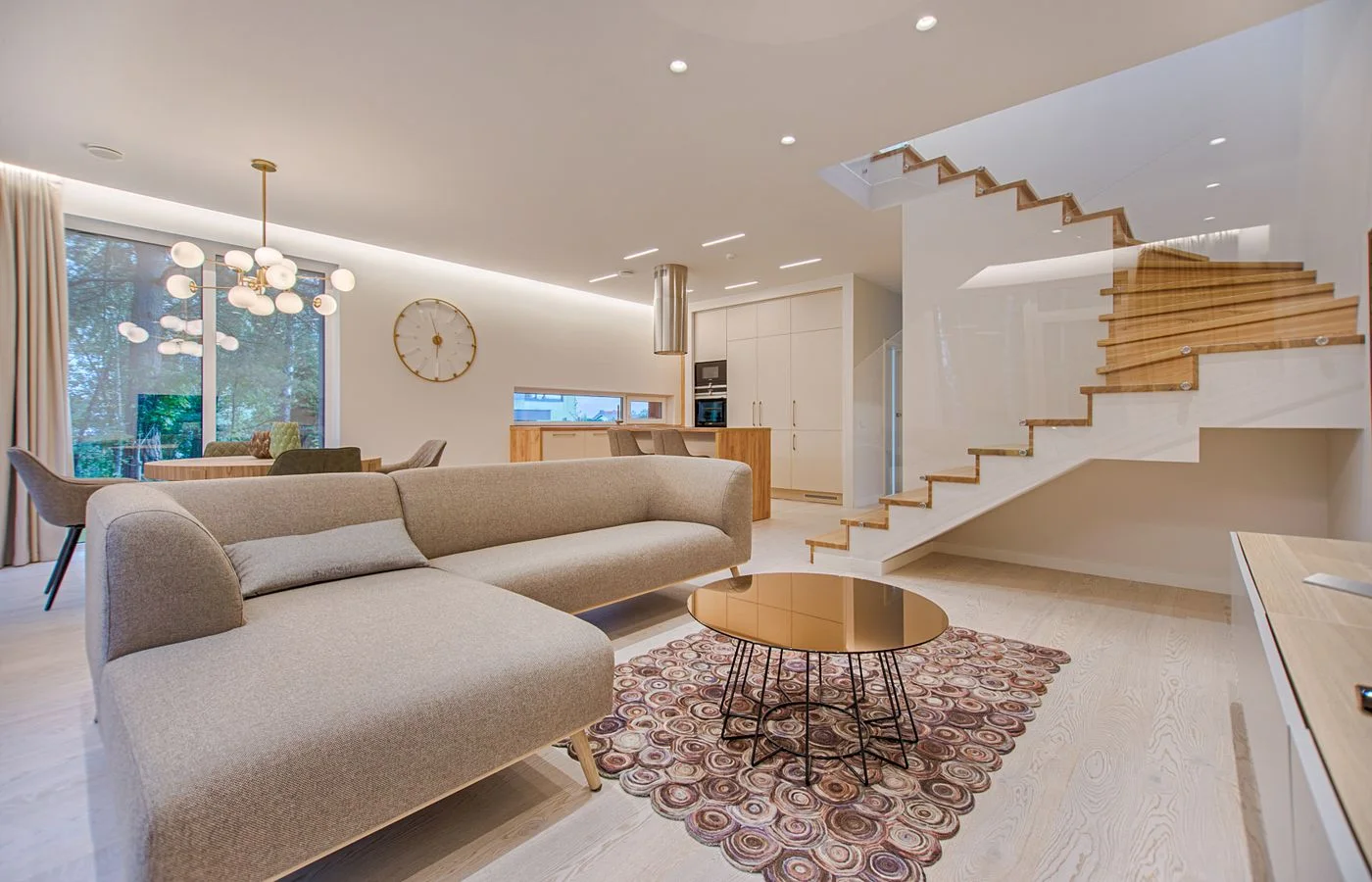
The bed and sofa usually have the strongest effect on how a studio is read. Turning a sofa away from the sleeping area can suggest a living zone without adding a wall. Its back becomes visible, so inspect the finish and consider its appearance in that position. A low piece can preserve more sightlines and light than a tall divider. Keep enough room to open drawers and bed storage fully. Test the furniture you own before replacing anything; changed orientation can reveal whether a different piece is necessary. Look at the room from the entrance and from the places where you spend time.
Use rugs as visual suggestions
A rug can gather seating into one composition, but size and placement should suit chair movement and flooring. Avoid scattering tiny rugs simply to label activities. Their edges can become visually busy and need positioning to avoid trips. Follow rug and flooring guidance on suitable backing or underlay. Consider cleaning in a room where cooking and sleeping happen nearby. A rug is useful when it connects a real seating group. If furniture is awkwardly perched or a door is obstructed, reconsider the size or omit it. Mark the proposed outline before ordering, and check how chairs move across the edge.
Compare dividers with useful storage
An open bookcase hints at separation while admitting some light, but creates shelves needing organisation on both sides. Check stability and follow specified anchoring instructions; an open profile does not remove installation requirements. Closed storage conceals varied belongings but can make a small room feel enclosed. A low cabinet sometimes gives enough visual boundary without dominating. Measure usable capacity against your belongings. Avoid a divider that solves a visual problem while leaving storage needs unchanged. Think about whether the new boundary reduces access to sockets or windows, and whether the reverse side looks finished when seen from the bed.
Let lighting support daily changes
Separately controlled lamps can make the living area feel active while the sleeping corner becomes quieter. Plan around sockets and safe cable routes. Use suitable shades and bulbs according to manufacturer guidance, and assess light from the bed as well as the sofa. A bright lamp behind your head may suit one task and disturb another. Create an evening sequence: close work storage, switch on the seating lamp and adjust other lights as appropriate. This changes the mood without moving heavy furniture nightly. Keep practical lighting available for cleaning and finding objects; atmosphere should not make everyday tasks unnecessarily difficult.
Buy fewer pieces with clear jobs
A storage ottoman, folding table or sofa bed can help, but multifunctional furniture involves operating effort. Ask how often you would open, fold or move it. A bed requiring a large nightly reset may not suit irregular schedules. A tiny folding table can be excellent for one person yet cramped for your usual activity. Compare the everyday arrangement, rather than only the transformed product photograph. Start with one improvement to the most difficult transition and live with it before adding more. Open floor space is useful even when it stores nothing. Consider the storage destination for cushions, bedding or leaves when furniture changes function.
Keep a simple layout record
Write down major dimensions and photograph the arrangement that works. This helps future shopping and prevents an appealing piece from disrupting protected routes. Include fully open dimensions of folding furniture and check instructions for moving and assembly. If introducing one piece, remove or reassign another where appropriate instead of accumulating layers. Revisit the layout as routines change. Flexibility should not mean shifting heavy objects to perform ordinary tasks. Keep a list of unresolved needs and use it to judge purchases. A decorative addition can wait when the more important requirement is accessible storage or a dining position that works every day.
Compare your options
| Option | Best for | The trade-off |
|---|---|---|
| Furniture orientation | Boundaries without more purchases | Limited privacy |
| Low storage divider | Separation and useful capacity | Permanent footprint |
| Open bookcase | Partial visual separation | Visible contents and fixing requirements |
Before you buy
- Keep routes and exits practical.
- Test doors and drawers in the layout.
- Inspect both sides of visible furniture.
- Compare the daily effort of transforming pieces.
Common questions
Does a studio need a divider?
No. Orientation, lighting and a consistent storage routine may give enough distinction. Add a divider when it solves a clear need.
Should everything match?
A repeated colour or material connects different pieces. Exact matching is less useful than compatible scale and a working layout.
Useful sources & shopping starting points
Use the retailer's current measurements, care information and delivery terms to check any shortlisted item. Availability and prices can change.